Heather Dewey-Hagborg:
Stranger Visions
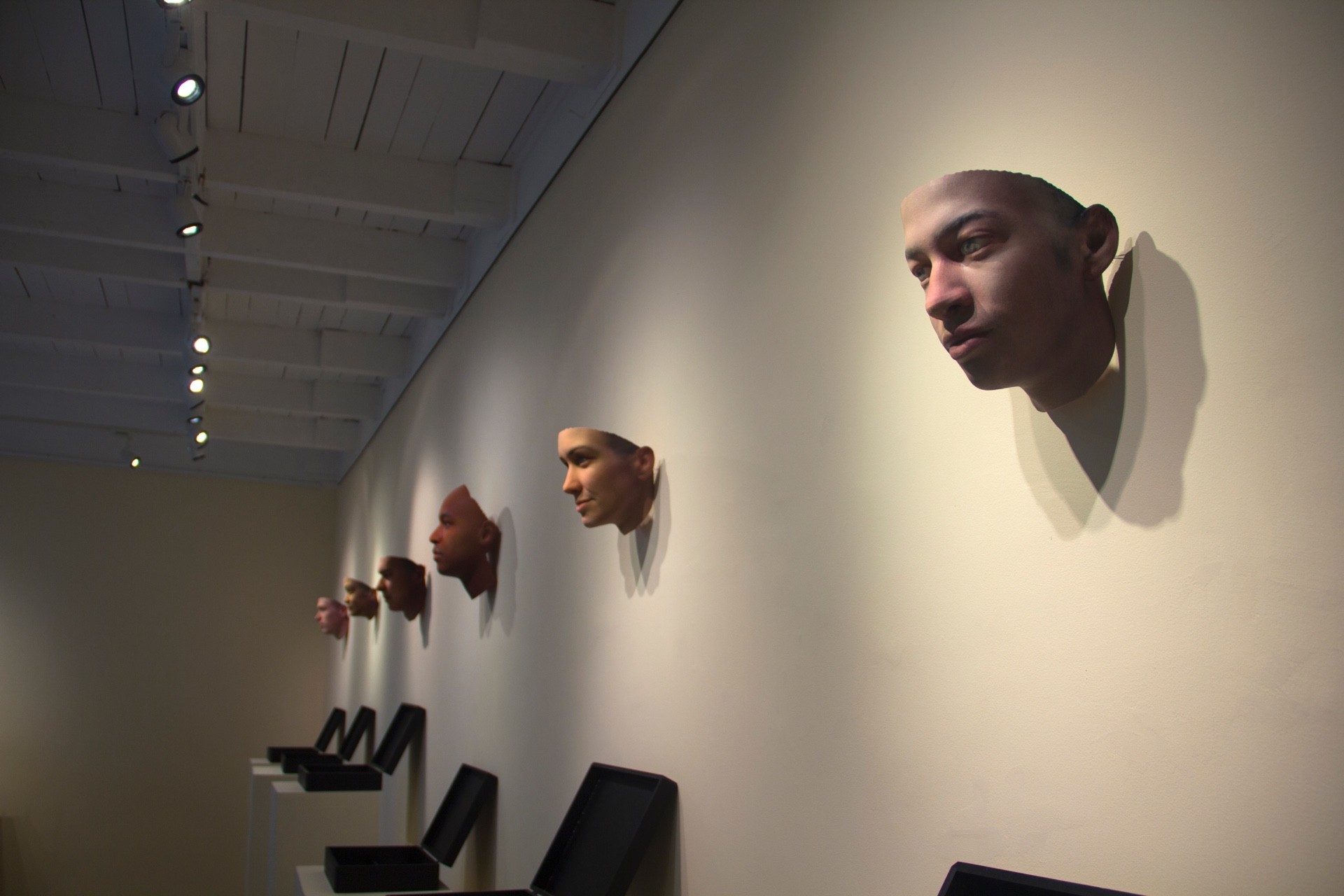
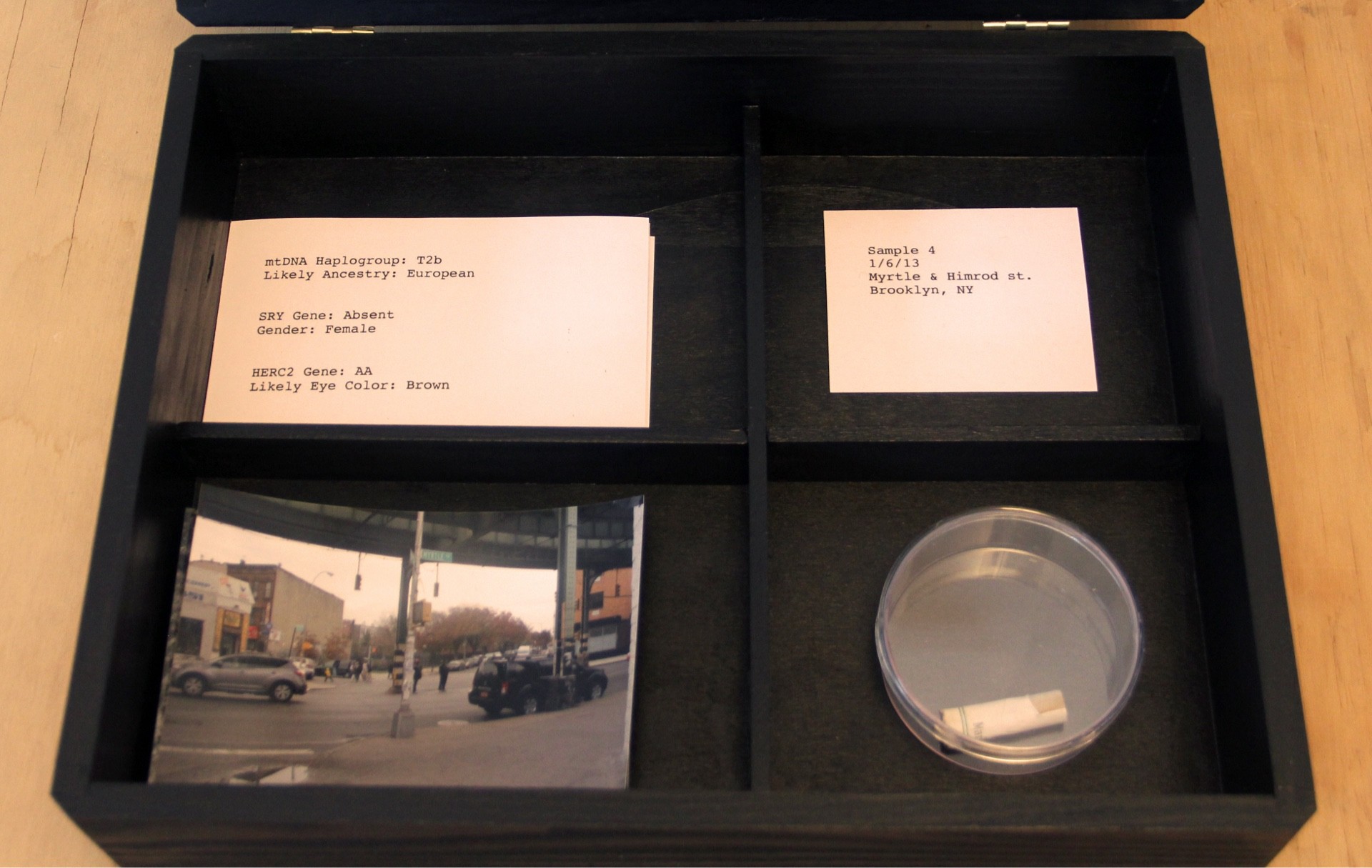
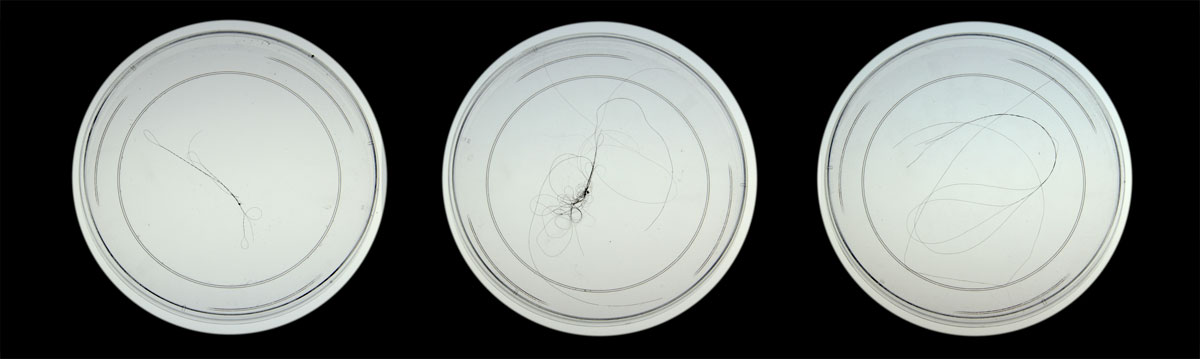
"In Stranger Visions I collected hairs, chewed up gum, and cigarette butts from the streets, public bathrooms and waiting rooms of New York City. I extracted DNA from them and analyzed it to computationally generate 3d printed life size full color portraits representing what those individuals might look like, based on genomic research. Working with the traces strangers unwittingly left behind, the project was meant to call attention to the developing technology of forensic DNA phenotyping, the potential for a culture of biological surveillance, and the impulse towards genetic determinism.
The forecast of Stranger Visions came true. Just 2 years later Parabon NanoLabs launched a service they called DNA "snapshot" to police around the US. For more examples see Identitas and read about their collaboration with the Toronto police.
Since this time I have devoted critical efforts to discussing the limitations and bias in phenotyping technology, which I (and many scientists) do not consider accurate or impartial enough for use in criminal investigations. For a discussion of my concern that this may become a new form of racial profiling see my article "Sci-fi Crime Drama with a Strong Black Lead" in the New Inquiry magazine."
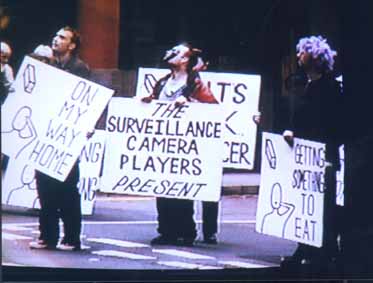
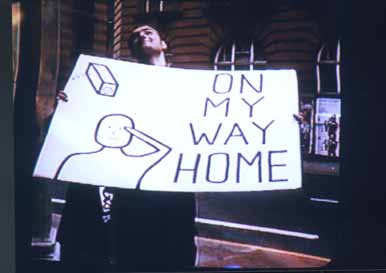
Surveillance Camera Players
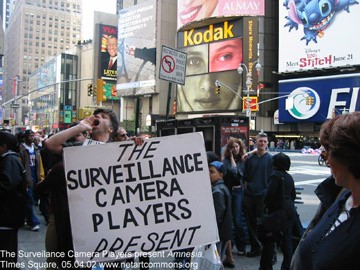
"The Surveillance Camera Players (SCP) is a small, informal group of people who are unconditionally opposed to the installation and use of video surveillance cameras in public places. The SCP was formed in New York City in November 1996 by two groups of friends/activists: one centered around Michael Carter, the author of the manifesto for "The Guerrilla Preprogramming of Video Surveillance Equipment" (1995), and the other around Bill Brown, fresh from the "Unabomber for President" campaign (1996). Both shared a strong interest in the theories and actions of the Situationist International, especially its use of "pranks" or detournement (diverting bland or oppressive materials for subversive purposes)."